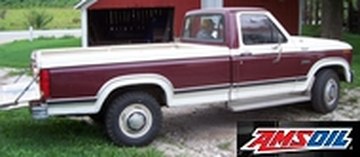
Maintaining Lubrication Standards for the 1982 Ford Trucks F250 4.9L
Proper engine maintenance is a cornerstone of long-term vehicle health, particularly for heavy-duty applications involving large displacement engines. For an owner of a 1982 Ford Trucks F250 equipped with the 4.9L engine, staying proactive with lubrication and general mechanical inspections can help manage the natural aging process of the vehicle's components.Monitoring Fluid Integrity and Potential Leaks
One of the most effective ways to monitor the health of a 1982 Ford Trucks F250 is through regular visual inspections of the engine bay and undercarriage. Over time, various seals and gaskets may experience changes in their ability to maintain a tight seal. Rather than assuming a specific component has failed, it is more practical to look for evidence of seepage or active leaks. When performing routine checks, look for dark, oily residue around sealing surfaces. If you notice fresh fluid accumulating on the engine block or dripping onto the ground after the vehicle has been parked, this warrants further investigation. Additionally, checking the appearance of the oil itself can provide clues about its condition. Oil that appears excessively dark, gritty, or contains visible particulates may indicate that the lubricant is reaching the end of its service life or that there is an issue with filtration. It is also useful to inspect any visible hoses or electrical connections for signs of deterioration. While these are not directly part of the lubrication system, their condition often reflects the overall thermal environment of the engine bay. Ensuring that all connections remain secure and that no external contaminants are entering sensitive areas can prevent secondary issues during routine service.Managing Maintenance Records and Service History
For a vehicle from 1982, establishing a clear maintenance baseline is highly beneficial. If you have recently acquired this F250, the first priority should be determining what service has been performed in the past. Without a documented history of oil changes, filter replacements, or other mechanical repairs, it is difficult to know when the next interval of service is due. If records are unavailable, begin a new log immediately. Documenting every oil change, the specific products used, and any observed mechanical behaviors creates a valuable resource for future troubleshooting. This practice allows you to distinguish between a sudden change in engine behavior and a gradual trend that has been developing over several months or years. A well-maintained service history also helps in prioritizing repairs. By reviewing past maintenance, an owner can decide whether to focus on preventive measures—such as replacing aging belts if equipped—or to address active symptoms like minor fluid seepage. This organized approach moves maintenance away from guesswork and toward a data-driven strategy based on the actual condition of the 4.9L engine.Identifying Potential Operational Warning Signs
While many mechanical issues develop slowly, some signs require more immediate attention. When operating your Ford F250, pay close attention to any changes in how the engine sounds or feels. Unusual mechanical noises that were not previously present can be associated with various internal or external components and should be investigated by a professional. Changes in how the vehicle consumes fluids are also significant indicators. If you find yourself needing to add oil more frequently than before, this change in consumption pattern warrants an inspection of the engine's sealing surfaces and ventilation systems. Similarly, if any warning lights or indicators appear on the dashboard, do not ignore them; these are designed to alert you to specific operating conditions that may deviate from normal parameters. It is important to remember that a single symptom, such as a change in exhaust color or an unusual odor, can have multiple potential causes. For example, an odor that smells like burning oil might indicate that lubricant is contacting a hot external surface rather than signifying an internal engine issue. Always treat symptoms as starting points for investigation rather than definitive diagnoses of a specific part failure.Prioritizing Long-Term Engine Care
As vehicles age, the strategy for maintenance often shifts from simple routine tasks to more comprehensive condition monitoring. For the 1982 Ford Trucks F250, this means using the current physical state of the vehicle to dictate service priorities rather than relying solely on the age of the machine. Effective long-term care involves:- Addressing active concerns first: If a leak or an unusual noise is detected, prioritize resolving that issue before moving on to purely preventive tasks.
- Monitoring fluid consumption: Keep a close eye on how much oil the engine uses between service intervals to detect gradual changes in engine health.
- Inspecting aging materials: Periodically check the condition of any accessible belts, if equipped, and other rubber components for signs of cracking or glazing.
- Distinguishing necessity from precaution: Focus on parts that show actual wear rather than replacing components simply because they are decades old.